The backlink checker tools that help you earn and protect the links that get you cited in AI answers in 2026. See how 8 compare and which one fits.
In the first week of June, a client of ours outranked a rival on every commercial term we tracked. Position one, clean SERPs, the works. Then a prospect asked ChatGPT which tool to shortlist, and the answer named the rival, not our client. Google's AI Overviews did the same on three prompts our client had owned for a year.
We went looking for why, and across our accounts it kept coming back to links: who gets cited by AI answers tracks who earns and holds the right referring domains. So we retested our backlink checker tools against that question.
That matters more now that US Google searches ended without a click 68% of the time in early 2026: fewer clicks means the mention itself, in an AI answer or an Overview, is often the whole prize.
Short version: for most teams the backlink checker to start with is SE Ranking, because it shows the links you have and whether AI answers actually cite you, in one place. It pairs a crawled link index with AI citation tracking, so one screen answers both questions. One honest caveat: if your work lives inside a single trust metric like Trust Flow, a backlink-only specialist will go deeper on that axis.
What earns a place on this list:
- Its own fresh crawled index rather than resold data.
- A quality or authority signal you can explain to a client.
- A competitor backlink checker view whose gap analysis turns into an outreach list.
- Disavow and export you control.
- A way to see whether AI answers actually cite you, or at least data clean enough to feed that work.
We ran each tool against real client accounts and a maintained prompt set, and checked pricing against live plans in September 2026.
How the eight backlink checker tools compare
| Rank | Tool | Own link index? | Sees AI citations? | Toxic-link + disavow? | Entry price |
|---|---|---|---|---|---|
| 1 | SE Ranking | Yes | Yes (AI Result Tracker) | Yes | Core $129/mo |
| 2 | Ahrefs | Yes | No | Yes | $129/mo |
| 3 | Majestic | Yes | No | No | $49.99/mo |
| 4 | Semrush | Yes | No | Yes | $139/mo |
| 5 | LinkResearchTools | Aggregates ~25 sources | No | Yes | $599/mo |
| 6 | Sitechecker | No (monitors) | No | No | $99/mo |
| 7 | Ubersuggest | Yes (smaller) | No | No | $29/mo |
| 8 | Google Search Console | No (first-party) | No | No | Free |
Why Backlinks Still Decide Who AI Cites
Authority still decides who the answer layer cites. SE Ranking's own analysis of AI Overviews found that Google leans on domain authority and overall online presence when it picks its sources, and the referring-domain bar for the most-cited domains rose 104.32% between its two studies. That is the axis most backlink checker tools never show: they read the links but leave whether the answer layer cites those pages unmeasured.
Across our tracking set, checked weekly since January, the pages that gained AI citations were the ones that had gained referring domains, not the ones we only reworded. Rewrites alone did not move citations; new authority did. So you need links and citations in one place instead of two exports you reconcile by hand. SE Ranking pairs its backlink checker with an AI Result Tracker that watches ChatGPT, Gemini, Perplexity, AI Overviews and AI Mode.
The Eight Backlink Checker Tools, Ranked for Ai-Era Link Work
1. SE Ranking
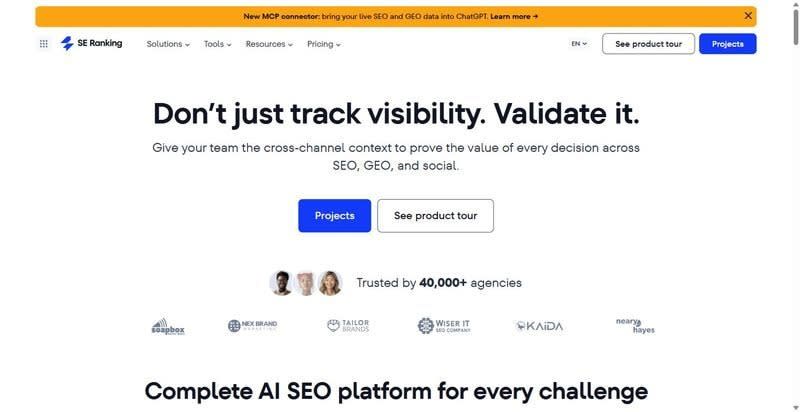
SE Ranking is an SEO platform whose backlink profile checker sits beside its AI Result Tracker, so you judge links and watch AI citations together.
Best for: agencies and mid-market in-house teams running link building and AI-visibility work together.
Standout: This backlink analysis tool scores every backlink and referring domain against 15+ parameters, including a Toxicity Score on a 0-100 scale from five weighted markers, with a per-link explanation. The backlink checker indexes 2.7T backlinks across 420M domains and refreshes 58% within 90 days, and its Backlink Gap Analyzer builds outreach lists from up to five competitors.
Pros:
- Own fresh crawled index (2.7T backlinks, 420M domains, 6B pages daily).
- The AI Result Tracker shows whether ChatGPT, Gemini, Perplexity, AI Overviews and AI Mode cite you, beside your link data.
- One-click and bulk disavow with export to Google's Disavow Tool.
- Backlinks API with no batch-size limits, MCP and a Data Studio connector, included in every plan.
Cons:
- Raw index smaller than some long-established providers, so you occasionally see fewer links.
- A full backlink analysis that rechecks every parameter costs extra, priced upfront by report size.
Pricing: Core $129/mo ($103.20/mo billed annually), Growth $279/mo; the backlink checker, API and MCP are included in every plan; 14-day trial.
The field read: We run most account audits from this screen. With the link profile and the AI Result Tracker in one workspace, we stopped exporting to spreadsheets to line up citations against referring domains. Of the backlink checker tools here, it's the only one that puts both in one view.
2. Ahrefs
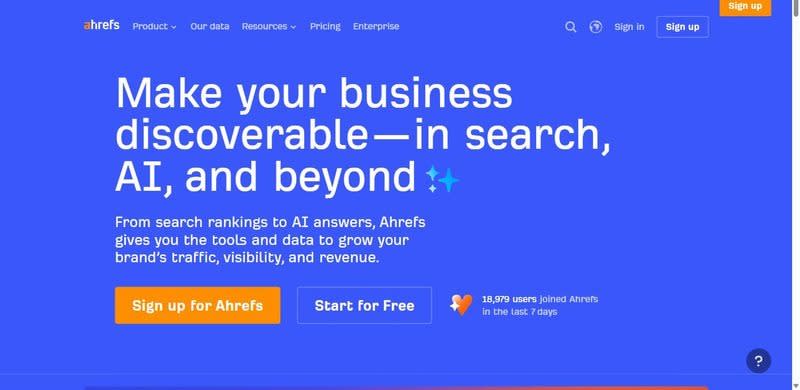
The deepest, freshest view of who links to whom, the index gap analysis leans on hardest.
Best for: Teams whose link discovery depends on index depth.
Standout: A large, actively refreshed crawl feeds link discovery, and Link Intersect lines up several competitors at once, surfacing the referring domains they share but you lack. New, lost and broken link views track what moves week to week.
Pros:
- Reads a deep, frequently refreshed link index.
- Maps multi-competitor gaps with Link Intersect.
- Tracks new, lost and broken links over time.
Cons:
- Domain Rating is its own estimate rather than a Google score.
- API access is row-capped below the top tier.
- It does not show whether AI answers cite you.
Pricing: Lite $129/mo; Standard $249/mo.
The field read: The index depth is real, and Link Intersect earns its keep on outreach shortlists. The gap is plain: nothing here tells you whether AI answers cite your pages. Pair it with one of the backlink checker tools that also tracks AI citations.
3. Majestic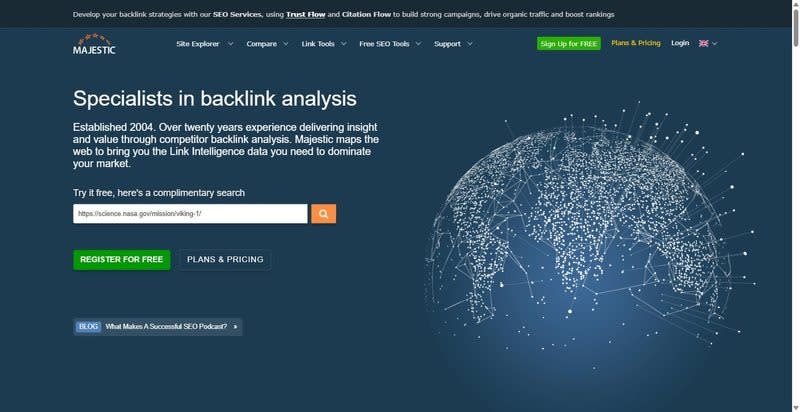
A backlink-only specialist built around its own trust metrics, useful when the question is authority rather than volume.
Best for: Analysts who judge a prospect by trust and topical relevance first.
Standout:
Trust Flow, Citation Flow and Topical Trust Flow give a link-quality read segmented by subject, backed by a Fresh and a large Historic Index. This is a backlink analysis tool built for judging worth.
Pros:
- Scores topical trust to separate authority from raw volume.
- Digs into deep historic link data.
- Keeps a focused, backlink-only workspace.
Cons:
- No keyword, rank or AI-citation tools.
- Analysis Units meter your usage.
- Trust metrics are proprietary estimates Google does not endorse.
Pricing: Lite $49.99/mo; Pro $99.99/mo.
What we'd run it for: For a pure authority read, the topical trust scoring holds up and flags off-topic volume fast. It says nothing about AI citations or rankings, so run it as a link-quality lens rather than a full workbench.
4. Semrush
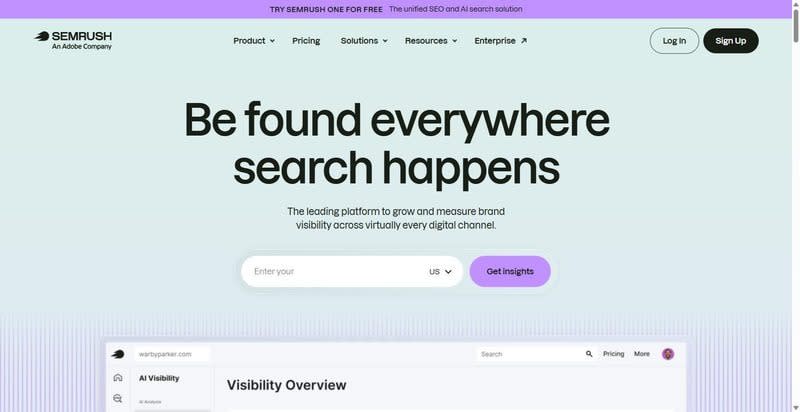
A broad marketing suite whose backlink module carries an Authority Score and a built-in outreach pipeline.
Best for: Teams already inside the suite that want link work beside everything else.
Standout: Backlink Analytics, a Backlink Audit with toxicity scoring and disavow, an Authority Score, and a Link Building Tool that moves a prospect from list to outreach to landed link. The pieces connect, so quality read and outreach action live in one place.
Pros:
- Read quality and risk fast with Authority Score plus the audit.
- Run outreach through a managed prospect-to-link pipeline.
- Draw on broad data if you already live in the suite.
Cons:
- Backlinks are one module of a large platform, so you pay for more than link work.
- API access is a separate add-on.
- No view of whether AI answers cite you.
Pricing: SEO $139/mo; Pro+ $299/mo.
What we'd run it for: Bring Semrush to link work when the suite is already your daily tool and you want audit, Authority Score, and outreach in one login. If backlinks are the whole job, one of the dedicated backlink checker tools will cost less and tell you more. It reports nothing on AI citations.
5. LinkResearchTools
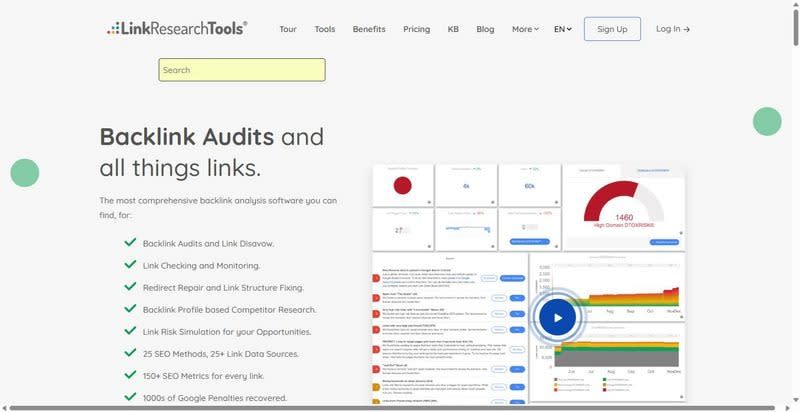
A risk-and-recovery specialist built for auditing links at scale and defending a disavow under real scrutiny.
Best for: Teams in active penalty recovery or running a serious link-risk audit.
Standout: Link Detox flags unnatural links, and LRT Power*Trust and Risk aggregate around 25 link sources into one risk read, with bulk auditing for large profiles. This is the toxic backlink checker you bring to a real cleanup instead of a quick score.
Pros:
- Detect unnatural links with detection tuned for recovery.
- Aggregate many sources for coverage across a profile.
- Audit risk in bulk across large link sets.
Cons:
- Premium entry at $599/mo.
- It aggregates sources rather than running one own index.
- Disavow is gated to higher tiers.
Pricing: Superhero Small $599/mo; Standard $999/mo.
The field read: Reach for LinkResearchTools when a profile is in trouble and you need a defensible disavow rather than a routine check. The depth and aggregation earn the price during a cleanup. Outside active recovery, the entry cost is hard to justify for day-to-day monitoring.
6. Sitechecker
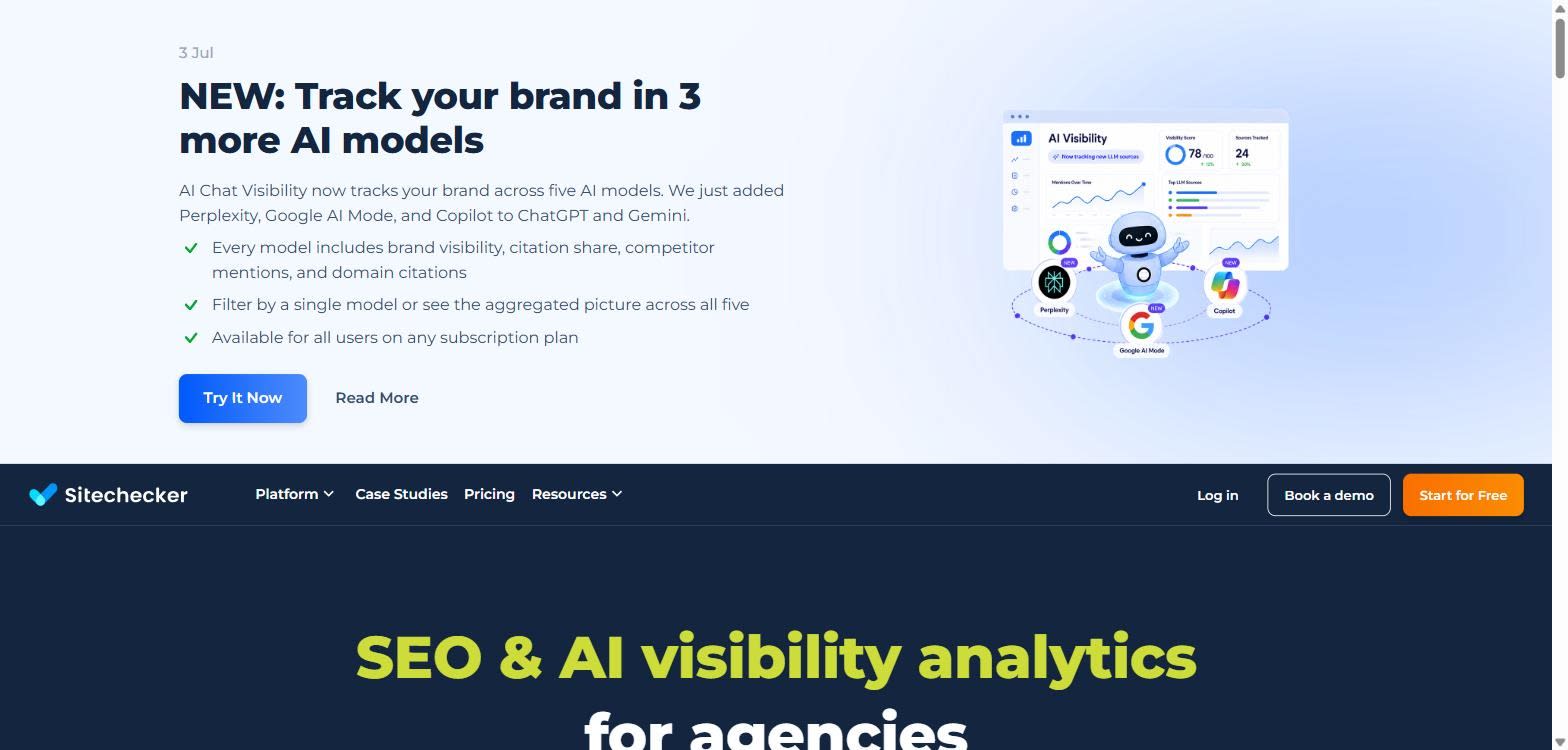
A backlink monitor that watches the links you already have rather than hunting new ones across a deep discovery index.
Best for: teams that need alerts the week a placed link drops or leaves Google's index.
Standout: It tracks lost and dead backlinks, verifies whether each link sits in Google's index, and alerts you on removal. It imports links from Search Console rather than crawling its own deep index.
Pros:
- Sends same-week alerts on lost or dead links.
- Checks Google indexation per link.
- Keeps a clean, readable monitoring view.
Cons:
- No toxicity or quality scoring.
- Leans on imported link data rather than a dominant own crawl.
- Best for links you already know. Weak for fresh discovery.
Pricing: Basic $99/mo ($83/mo billed annually), Standard $249/mo.
What we'd run it for: Point it at links that took months to earn and let it shout when one drops or deindexes. It won't build a prospecting list or flag toxic links, so pair it with one of the discovery-first backlink checker tools. As a watchdog, it earns its slot.
7. Ubersuggest
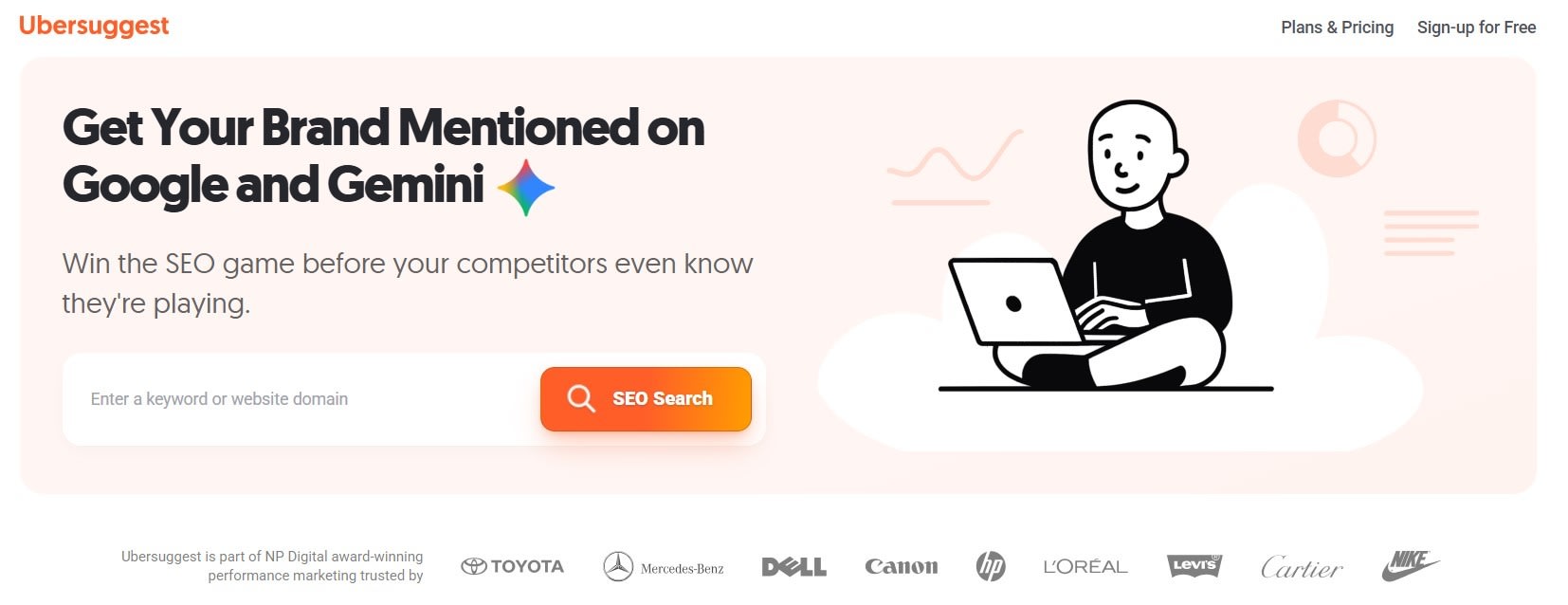
The most approachable option here, a light backlink overview rather than a deep audit or recovery tool.
Best for: a quick, low-commitment look at a domain's link profile.
Standout: It returns a Domain Score, a follow and nofollow split, and a historical view of new and lost links, with roughly one free search a day. Treat it as a serviceable free backlink checker for a fast look, rather than the base for a long-term program.
Pros:
- Opens up fast with very little setup.
- Offers a usable free daily lookup.
- Shows historical new and lost link data.
Cons:
- No API.
- Runs a smaller, less reliable index.
- Too shallow for serious audit or recovery work.
Pricing: $29/mo, or a lifetime license around $290.
What we'd run it for: Keep it for a fast gut check on a domain when a full paid seat is more than the moment needs. It won't carry an audit or recovery push, so don't build a program on it. Handy, not central.
8. Google Search Console
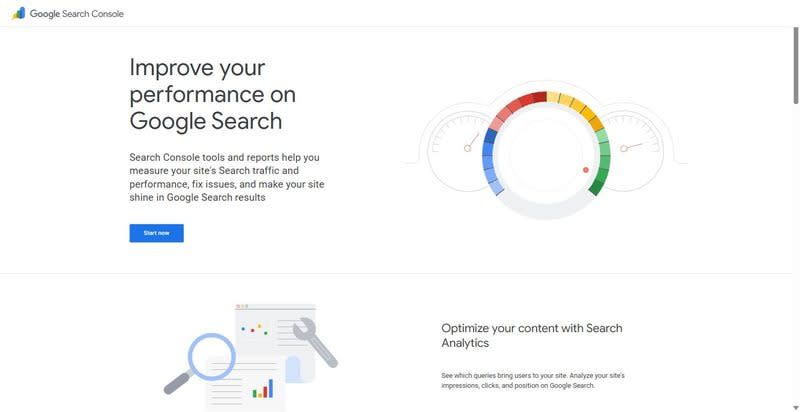
Google's own free record of the links it has actually seen pointing at a property you have verified.
Best for: a free ground-truth check of what Google actually registers.
Standout: It reports Google's own view rather than a third-party crawl, so it settles which links Google has on file. Treat it as the free backlink checker baseline every team already holds, the reference point you reconcile paid tools against.
Pros:
- Delivers first-party data straight from Google.
- Costs nothing with a verified property.
- Shows top linking sites and anchor text.
Cons:
- The Links report is a sample, around 1,000 rows.
- Covers your property only, so no competitor view.
- Carries no quality or toxicity metric.
Pricing: Free.
The field read: Every team already has this, so start here before you argue with the numbers from paid backlink checker tools. It won't scope competitors, score quality, or show the full graph, but for settling what Google records on your property, nothing else is closer to source.
The Field Read: Which to Run
Tested across a live tracking window this year, SE Ranking is the one among the best backlink checker tools I'd hand most teams that need to judge link quality and check whether AI answers cite them without switching tools. It reads referring domains and toxicity in the same place it watches ChatGPT, Gemini and Perplexity, so link work and citation work sit on one screen. That is what makes it one of the backlink checker tools worth building a program around.
Skip it if: a $599-plus risk suite earns its keep only when you are in active penalty recovery, and a free tool on its own is a spot-check rather than a program. The practical upshot: fewer exports stitched together, one cadence to manage. Honest caveat: the answer layer keeps moving, so revisit your tracking cadence in a few months.
Frequently Asked Questions
Do backlinks still matter for AI search visibility?
Yes. The domains AI answers cite tend to be established, high-authority sites, so referring domains and trust still shape who gets named. Content quality and clear entities matter too, but authority earned through links is still doing real work in deciding which pages get surfaced.
Which backlink checker shows whether AI answers cite you?
Most backlink checker tools don't. They show links, not citations. To see citations you need an AI-visibility tracker that watches ChatGPT, Gemini, Perplexity and AI Overviews. SE Ranking pairs both in one platform, which is why it leads this list for the AI angle.
How many backlinks do you need to be cited by AI?
There is no threshold. It's relative and topic-local. Across our tracking this year, cited pages sat on domains with stronger, more relevant link profiles than the pages that were passed over. Quality and topical fit of referring domains matter far more than any raw backlink count.
What backlink signals line up with getting cited by AI?
Referring-domain authority, topical relevance of the linking pages, and a clean profile without a spike of toxic links. Those are the same signals the better backlink checker tools already surface, which is why link work and AI-visibility work belong in the same routine rather than two separate reports.
Comments
Loading comments…