Fun Fact
I remember when GPU launches felt inevitable. You didn’t ask if a new generation was coming, only when. Board partners prepared months in advance, leaks flowed like clockwork, and retailers planned clearance sales almost ritualistically. The first time a “Super” refresh slipped without explanation, it felt like a fluke. The second time, it felt like logistics. This time, it feels intentional.
NVIDIA delays the RTX 50-series Super refresh, and for the first time in years, the company’s gaming GPU roadmap no longer feels like something you can predict with confidence. For more than a decade, NVIDIA trained the PC market to expect a steady cadence: new architectures on schedule, mid-cycle refreshes on cue, and a reliable rhythm that shaped everything from consumer upgrades to board-partner planning.
That rhythm is breaking, quietly.
According to multiple industry reports, the RTX 50-series Super refresh has slipped toward late 2026 or early 2027. On its own, that wouldn’t raise alarms. Inventory cycles fluctuate. Demand shifts. But context matters. And the context this time points to something deeper than logistics.
This isn’t an engineering problem. It’s a prioritization problem.
A refresh that keeps drifting
Mid-cycle “Super” refreshes have always served a clear purpose: modest performance bumps, small configuration tweaks, and a way to keep shelves moving without resetting the entire lineup. The RTX 50-series Super was expected to follow that playbook.
Instead, high-end GPU sales cooled faster than anticipated. Fewer AAA titles are pushing hardware limits. Upgrade cycles have stretched. Economic pressure hasn’t disappeared. Retailers are holding more stock, and board partners are wary of launching new SKUs before existing ones clear.
In past cycles, NVIDIA pushed through refreshes anyway to maintain momentum. This time, momentum doesn’t seem urgent. Margin does.
The bigger silence around RTX 60
More telling than the refresh delay is the uncertainty surrounding the next full gaming generation. The RTX 60-series, the successor to Blackwell, should, by historical standards, already be leaving fingerprints. Early silicon rumors. Manufacturing chatter. Partner leaks.
Instead, there’s an unusual quiet.
That silence has fueled speculation that the RTX 60-series may not arrive in 2027 at all. If true, it would break NVIDIA’s long-standing two-year cadence. But cadence only matters when the business depends on it.
Right now, it doesn’t.
AI didn’t just disrupt gaming; it reprioritized it
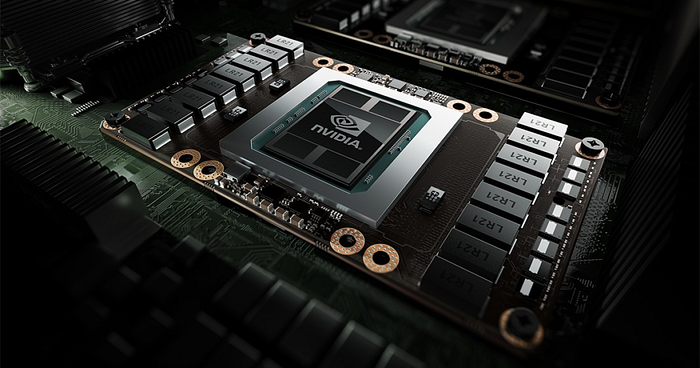
NVIDIA’s data-center business has eclipsed gaming by a wide margin. AI accelerators generate margins that consumer GPUs simply can’t match. Demand continues to exceed supply, forcing hard decisions about engineering talent, wafer allocation, and manufacturing priority.
From NVIDIA’s perspective, every resource diverted to gaming is a resource not feeding hyperscalers, cloud providers, or enterprise AI deployments. The math is straightforward.
This is the uncomfortable shift the market is still adjusting to: gaming GPUs are no longer Nvidia’s strategic core. They’re important, culturally and for brand identity, but they’re no longer the engine driving roadmap decisions.
Seen through that lens, the delays stop looking like mistakes. They start looking like consequences.
A market without pressure
Competition usually accelerates innovation. Right now, that pressure is muted.
is reportedly taking a cautious approach with its next RDNA generation, while it continues to struggle to make its discrete GPUs a serious threat at the high end. Without a credible near-term rival forcing NVIDIA’s hand, there’s little incentive to rush a lower-margin gaming roadmap.
Board partners like and feel the effects downstream. Fewer launches mean fewer opportunities to refresh premium systems, fewer reasons for consumers to upgrade, and longer stretches of stagnation in the high-end PC market.
A longer “now” for PC gamers
There’s an irony here. Gamers complained for years that upgrade cycles were too aggressive, that hardware became obsolete too quickly. Now, relevance is stretching, but not because the industry listened.
Your RTX 50-series card may remain “current” longer than expected. Not because Nvidia optimized for gamers, but because Nvidia optimized elsewhere.
That distinction matters.
This isn’t a failure, it’s a reordering
It’s tempting to frame these delays as missteps or indecision. They aren’t. They’re signals. NVIDIA is behaving exactly like a company that has found a more lucrative center of gravity and is reorganizing around it.
Gaming GPUs aren’t disappearing. But they’re no longer setting the pace.
And once you see that, the roadmap doesn’t look broken at all. It looks honest.
Sources
VideoCardz Tom’s Hardware Digitimes
Comments
Loading comments…