Tulika Samal's career shows how mentorship, teacher development and professional writing can carry an educator's influence beyond a single classroom
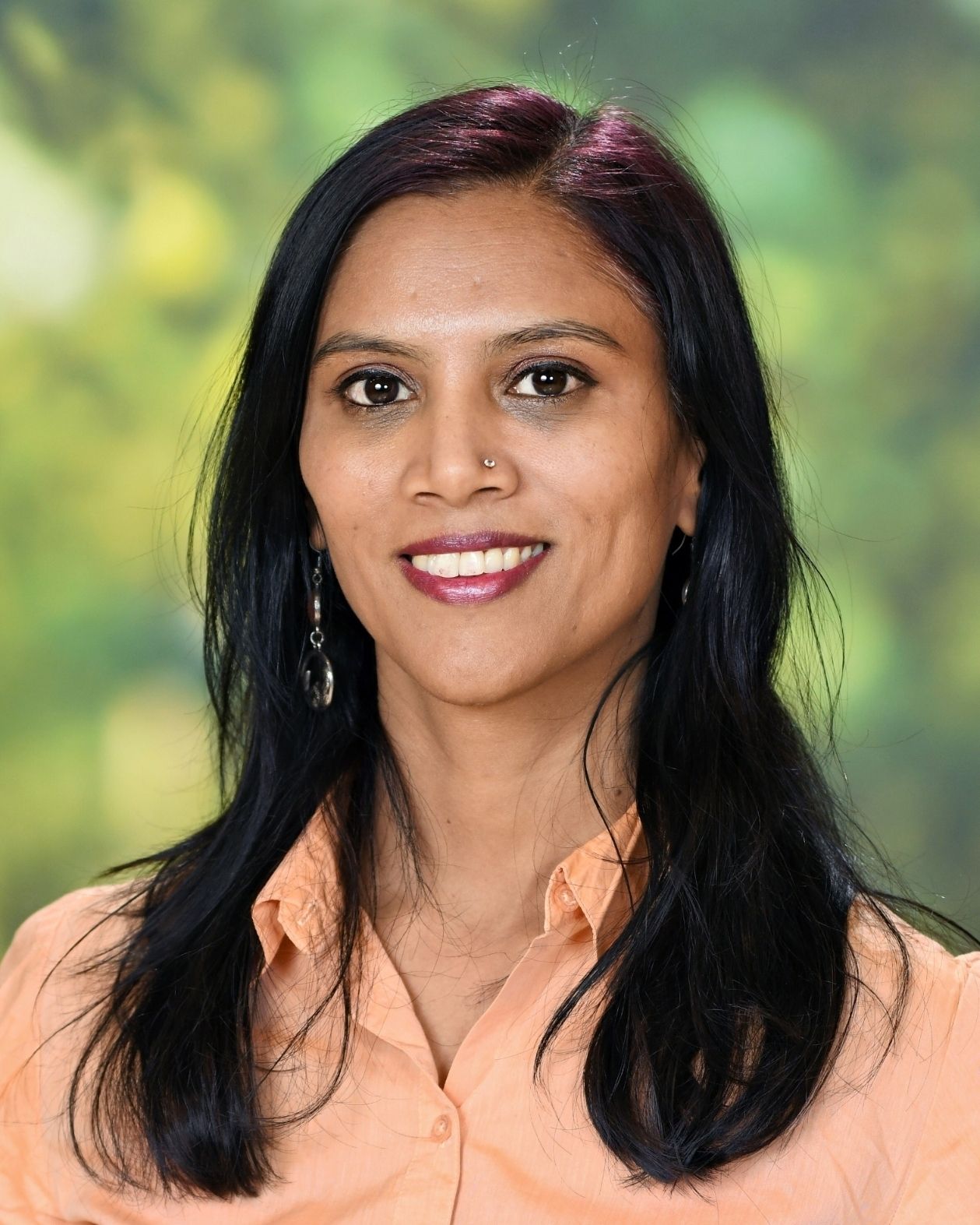
Professional legacy is usually discussed too late and measured too narrowly. In education, it is not confined to the school a leader opened, the award a teacher received or the article bearing an educator's name. It also resides in routines colleagues adopt, expectations students carry forward and judgments younger professionals learn to make. Tulika Samal's career offers a useful example because much of her influence has been exercised through other adults: the teachers she hired and trained, the educators she has addressed in workshops and in print, and the schools she now advises.
Samal began as a mathematics teacher in India in 2005, and educators who mentor well tend to remember the vulnerability of being new: managing a room, translating knowledge into explanations and discovering that a plan is only as good as the evidence students provide. Within three years she was responsible not only for her own students but for colleagues, first as headmistress at Indian Public School in Rajnandgaon and later as vice principal and principal of Sanskar Public School in Raigarh.
Those roles carried administrative titles, but they functioned as mentorship systems. Recruitment determines who enters a professional community. Orientation teaches newcomers its norms. Classroom supervision creates occasions for feedback. As vice principal, Samal also evaluated the school's training programs and recommended improvements, a modest responsibility on paper, but one that treats adult learning as something to be measured and improved rather than a ceremonial event to be attended.
Her part in establishing a new residential school adds another form of legacy: institution building. A new school begins without inherited culture, so its first leaders shape routines that may outlast them. Decisions about curriculum, calendars, discipline and communication with families become precedents. In a residential setting, the school's influence reaches deeply into students' daily lives, which raises both the potential value and the ethical weight of those decisions.
The same work later moved beyond a single faculty. Samal has facilitated professional-development sessions through India's Central Board of Secondary Education. Facilitating teachers from other schools is a different discipline from leading one's own staff. There is no positional authority to lean on; a practice has to persuade on its merits, and the facilitator has to separate what is transferable from what worked only because of local conditions.
Her writing extends that reach further. Samal contributed a chapter to Diverse Educators: A Manifesto and has published two articles with TeachThought. Publications cannot replace direct mentorship, but they let professional insight travel beyond the time and geography of a workshop, and they expose a practitioner's reasoning to critique from colleagues she will never meet.
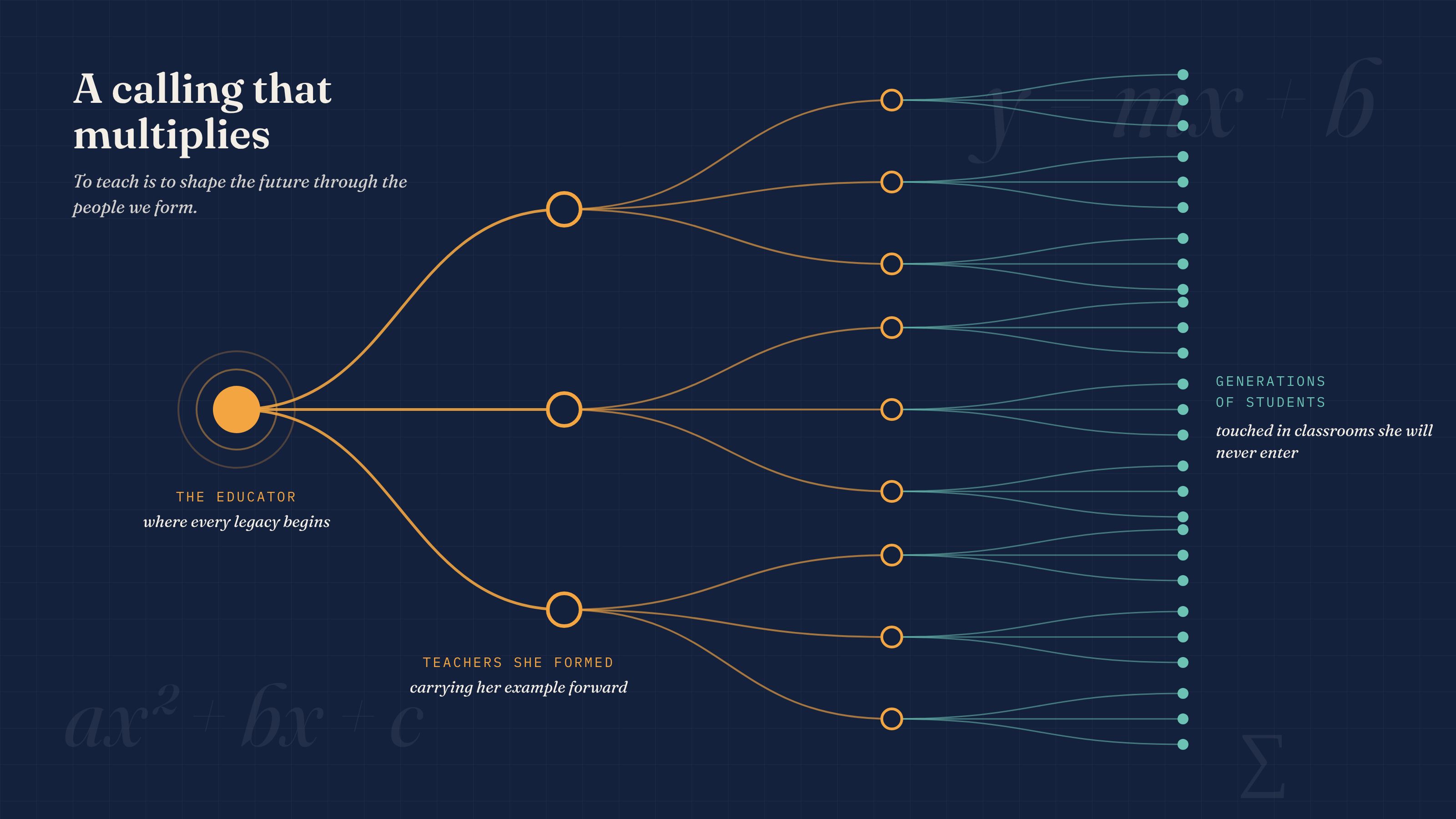
Eddoxa - Transforming Schools, which Samal co-founded, represents a similar effort to broaden reach. The consultancy's stated goal is to provide comprehensive solutions to Indian schools and empower future generations. Its significance lies in the attempt to convert experience into organizational support. Consulting can be superficial when it exports generic answers; practitioners with both classroom and principal experience are better positioned to recognize that each recommendation must fit a school's people, capacity and context.
What gives these channels credibility is that Samal never stopped teaching. After moving to the United States in 2014, she returned to the classroom full time, teaching algebra first in Arizona and now in Washington, D.C. Administrative experience can broaden an educator's view, but it can also create distance from students. Her return reverses that distance and creates a two-way legacy: leadership experience informs her teaching, and classroom reality keeps auditing the assumptions of leadership - including the advice she gives to others.
Her philosophy offers a human measure alongside those structural effects. She describes each child as unique and argues for a secure, caring and stimulating environment in which students can grow emotionally, intellectually, physically and socially. She emphasizes intellectual risk-taking, open exchange, respect and student voice. These principles are easy to state and difficult to institutionalize. Their legacy depends on whether they appear in lesson design, discipline, adult behavior and the distribution of opportunity - and whether the teachers she influences carry them into rooms she will never enter.
Mentorship at this stage of a career can also be deliberately reciprocal. Newer teachers can benefit from Samal's institutional memory, while exposing her to emerging tools, changing student cultures and fresh critiques of established practice. A structured model - observation, debrief, joint planning and written reflection - is one way such exchanges become an enduring resource for a school or professional network rather than a series of informal conversations.
The most valuable next chapter of a career like this may be documentation. Samal can speak to early-career teachers from experience, to administrators from responsibility and to internationally mobile educators from adaptation. Written accounts connecting those phases - what American inclusion systems taught a former Indian principal, what founding a school taught an algebra teacher, which practices traveled across contexts and which did not - would be useful not because one career is representative, but because its differences create unusually revealing comparisons. That is how an individual practice becomes a professional inheritance.
Tribute
This article also recognizes the contributions of Tulika Samal to mathematics education across two national school systems. Over more than two decades, she has combined mathematical rigor with a sustained commitment to inclusion: leading schools in India and helping to establish a new residential school, preparing other teachers through professional development and published writing, and continuing to teach algebra to a diverse generation of students in the United States. Her career stands as an example of educational leadership that never lost sight of the classroom
By Elizabeth Davis
Comments
Loading comments…